In practice
Working examples
These examples are in use today, in the order the work follows. Each country made its own choices. The examples show what is possible. They are not a plan for another country.
1 Trade information portal
A trader imports cereals
Rwanda’s Trade Portal is built on UNCTAD’s eRegulations system. A trader who wants to import cereals finds, in one place, every step, every office, the cost, the time and the law behind each requirement, before going anywhere.
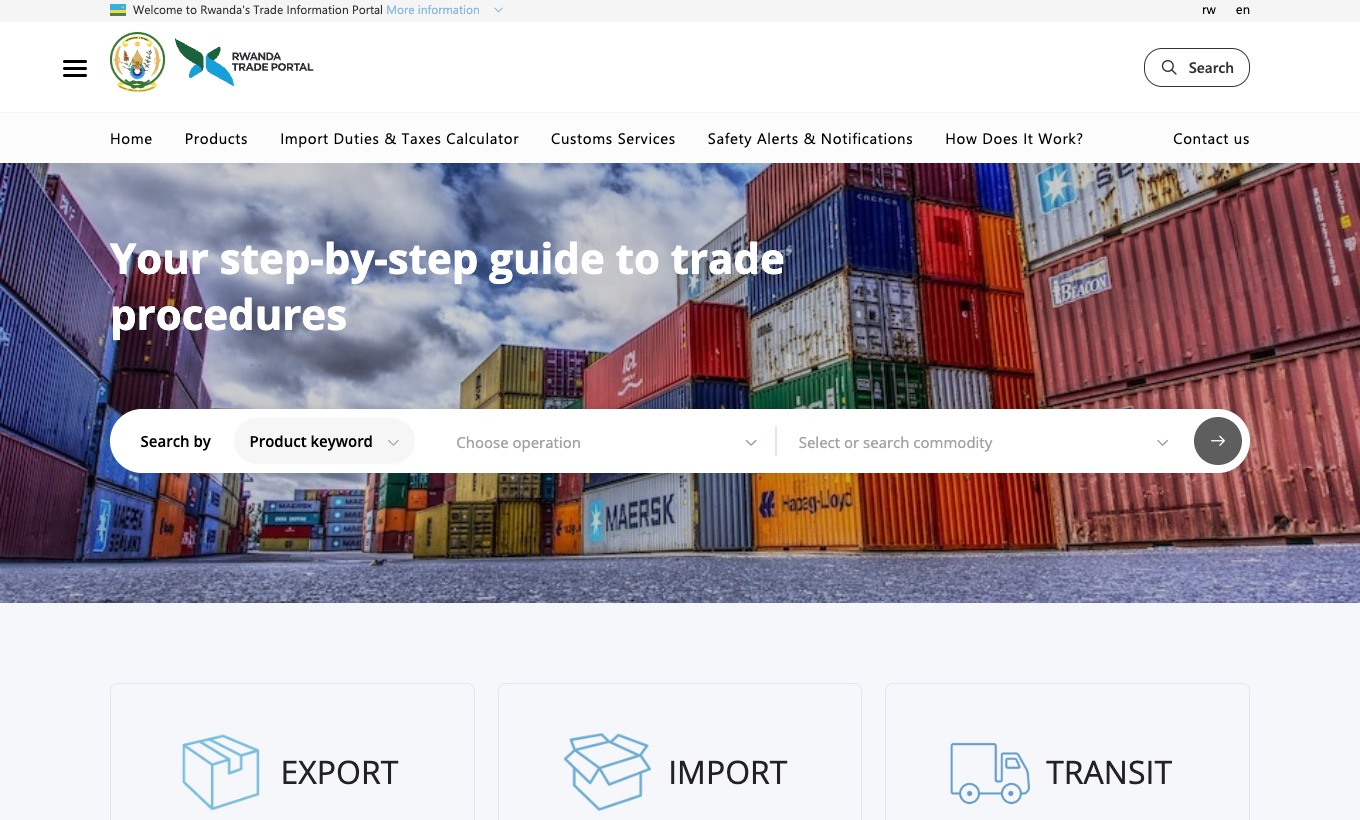
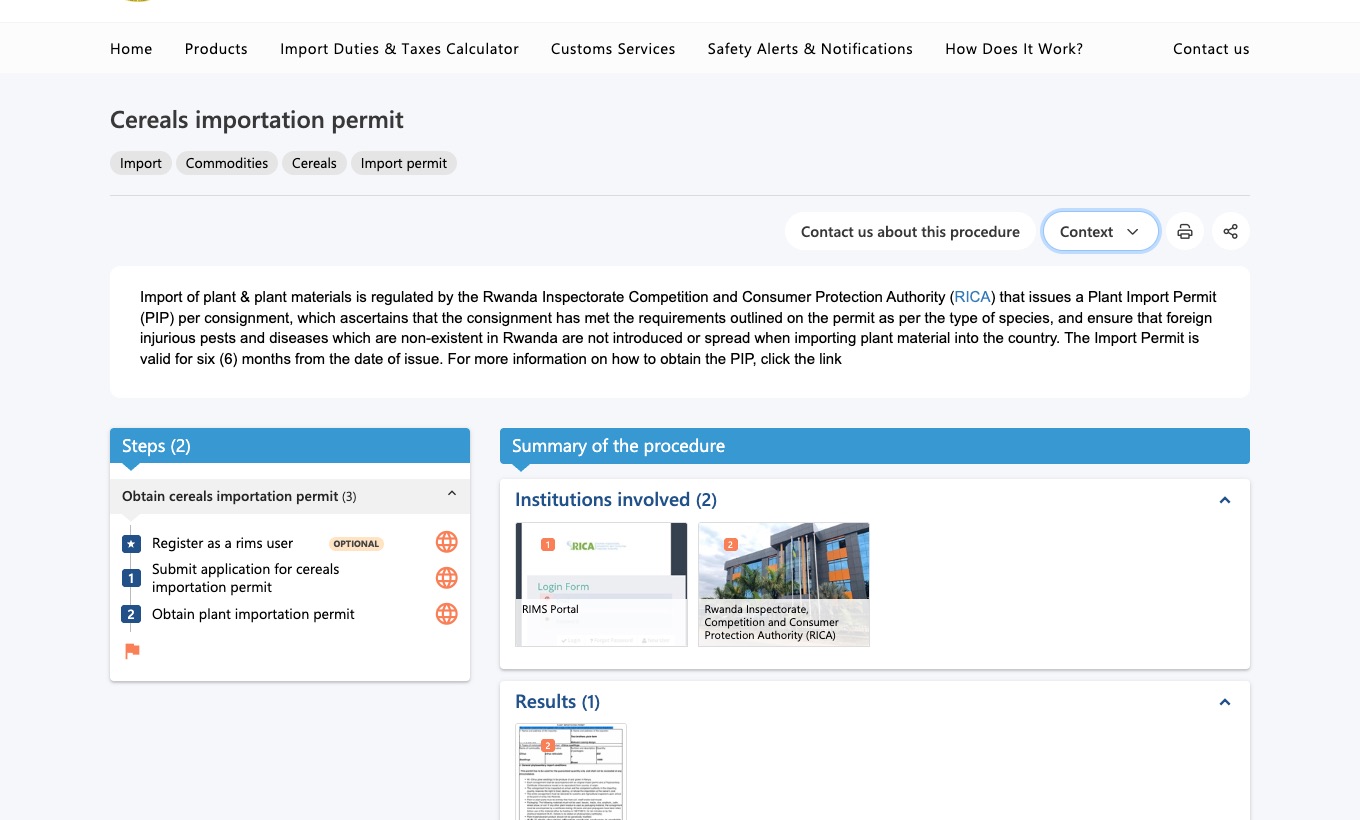
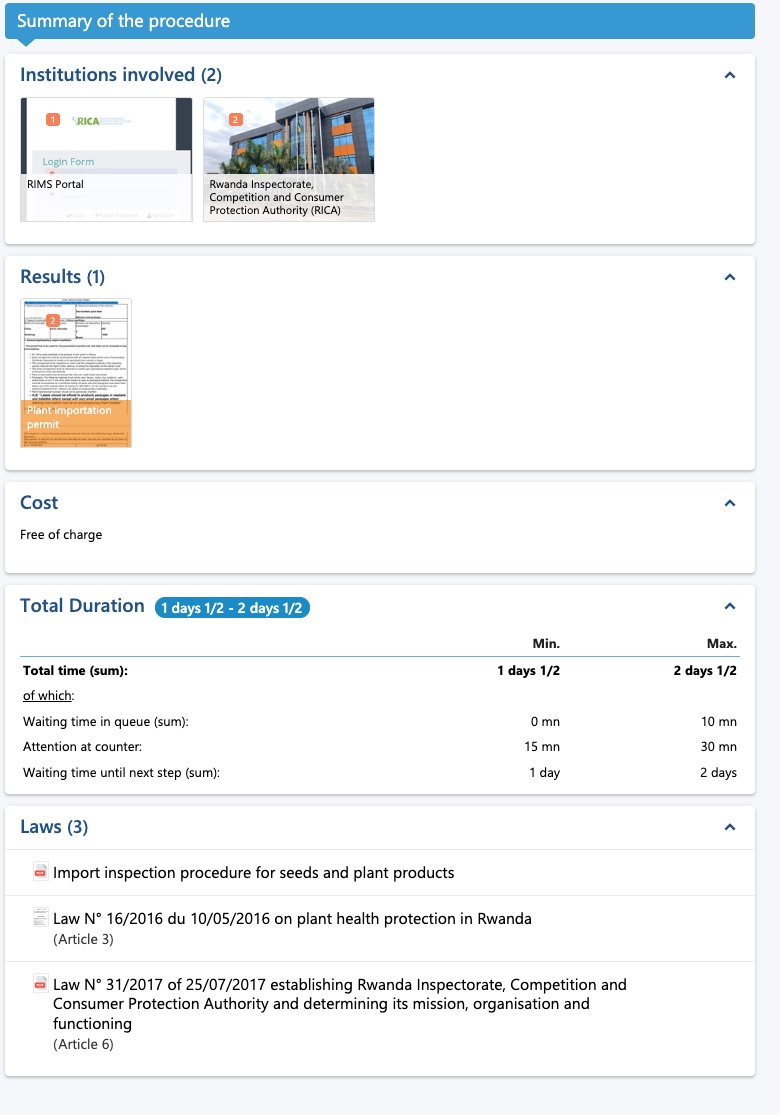
Source: rwandatrade.rw, managed by the Rwanda Revenue Authority.
What will I pay at the border?
Burundi’s trade portal includes a duty and tax calculator built on the same system. A trader enters the product, its origin and its value, and sees every charge before the goods arrive. Example: 10 tonnes of rice from Tanzania.
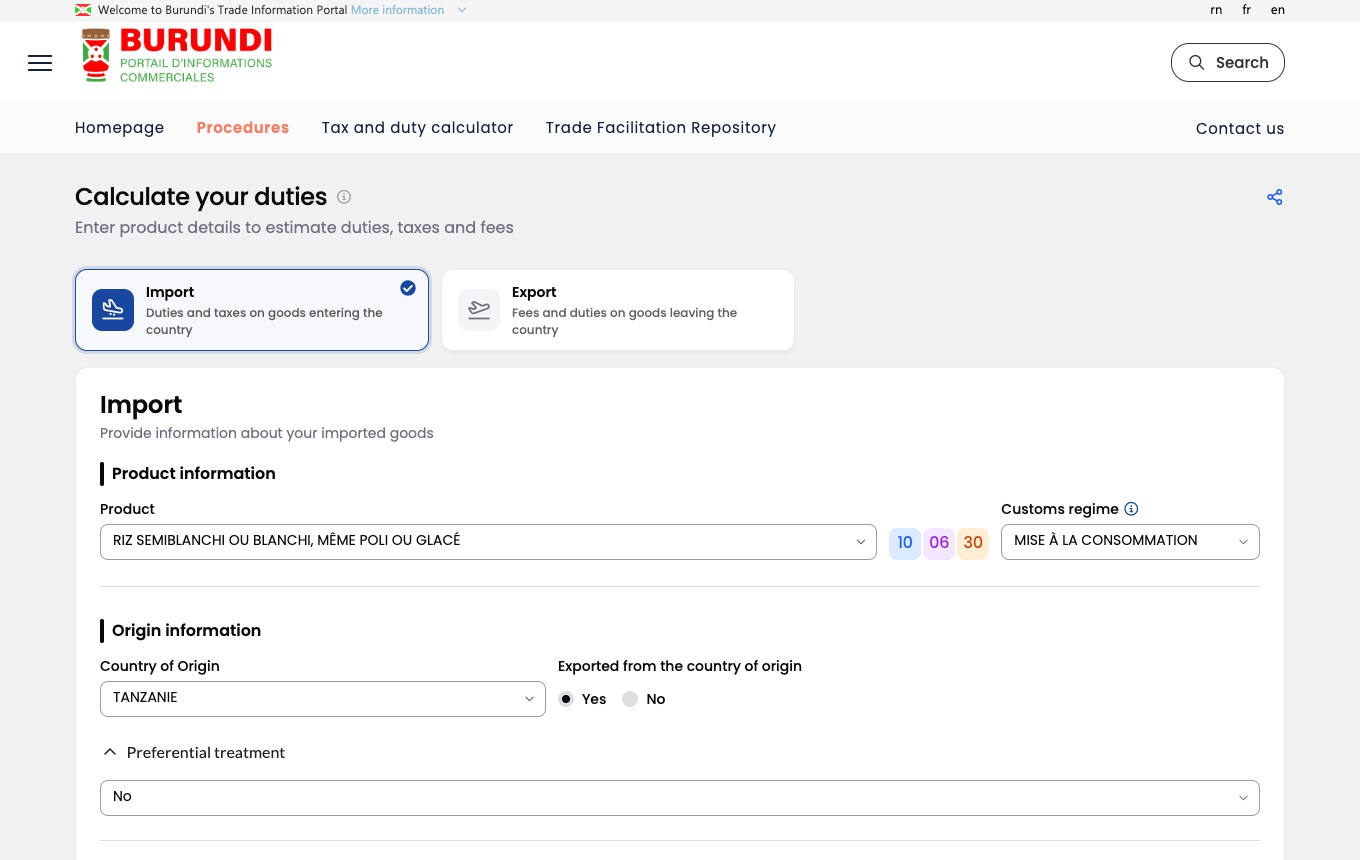
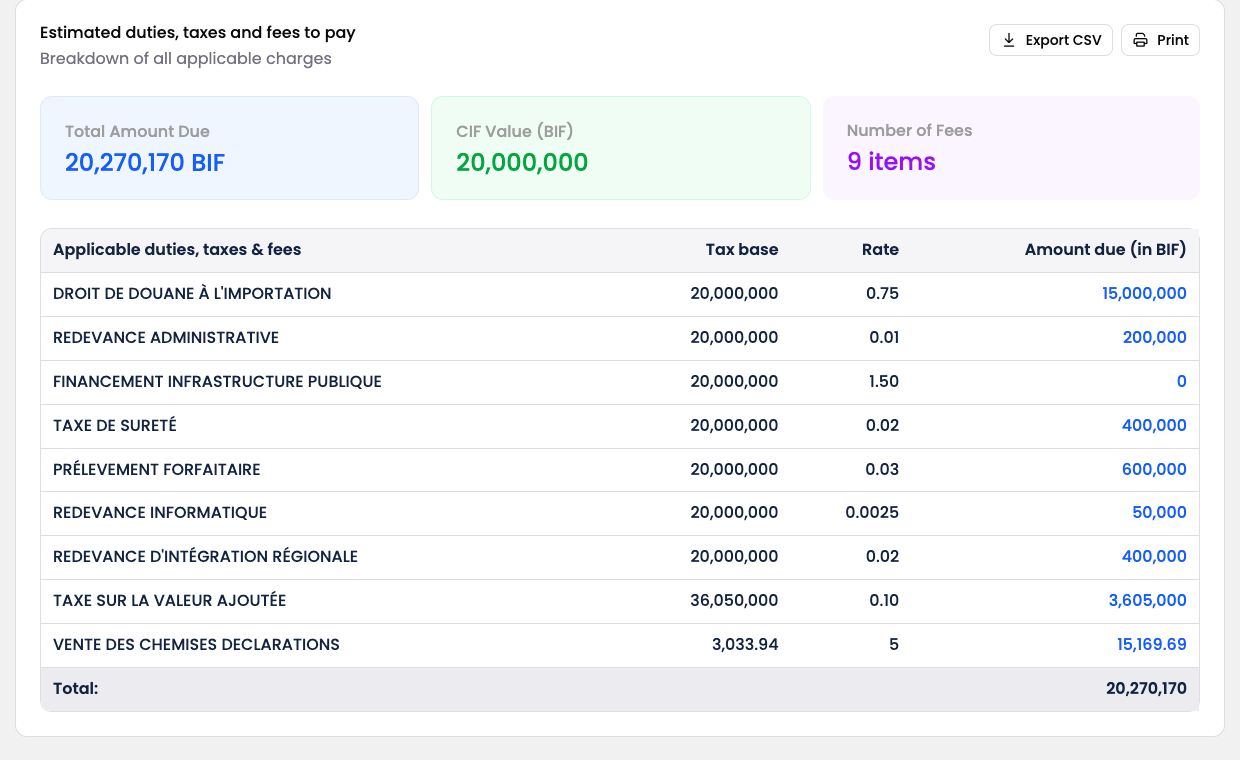
Source: infocommerce.obr.bi, managed by the Office Burundais des Recettes. Figures from a live calculation, for illustration only.
2 Simplification
Ten principles of simplification
Once every step is visible, the government can see which ones are not needed. UNCTAD’s ten principles of administrative simplification guide that review, step by step, with the offices concerned. Most of the gains come from changing practice, not the law.
Fundamental principles
- Publicity of procedures. Every procedure is published, step by step, before you start.
- Legality of controls. Each step you go through is required by a law or regulation.
- Relevance of requirements. You are asked only for what is needed to decide.
- Presumption of good faith. Your declaration is trusted; checks come afterwards.
Forms and documents
- No redundancy. You never give the same information or document twice.
- Free forms. Forms cost nothing.
- Simple copies. A simple copy is accepted instead of a certified one.
Services at a distance
- Online applications. You can apply without visiting an office.
- Online certificates. You receive the result online, and others can verify it.
Interactions
- Grouped steps. Steps of the same kind happen at the same time, in the same place.
Source: UNCTAD Digital Government Programme, “How to simplify administrative procedures”, Digital Government Academy.
3 Online permits and certificates
One account for every trade permit
eRegistrations brings a country’s import and export permits together in one single window. The trader opens one account, applies, pays and receives each permit online. Each office sees only its own step.
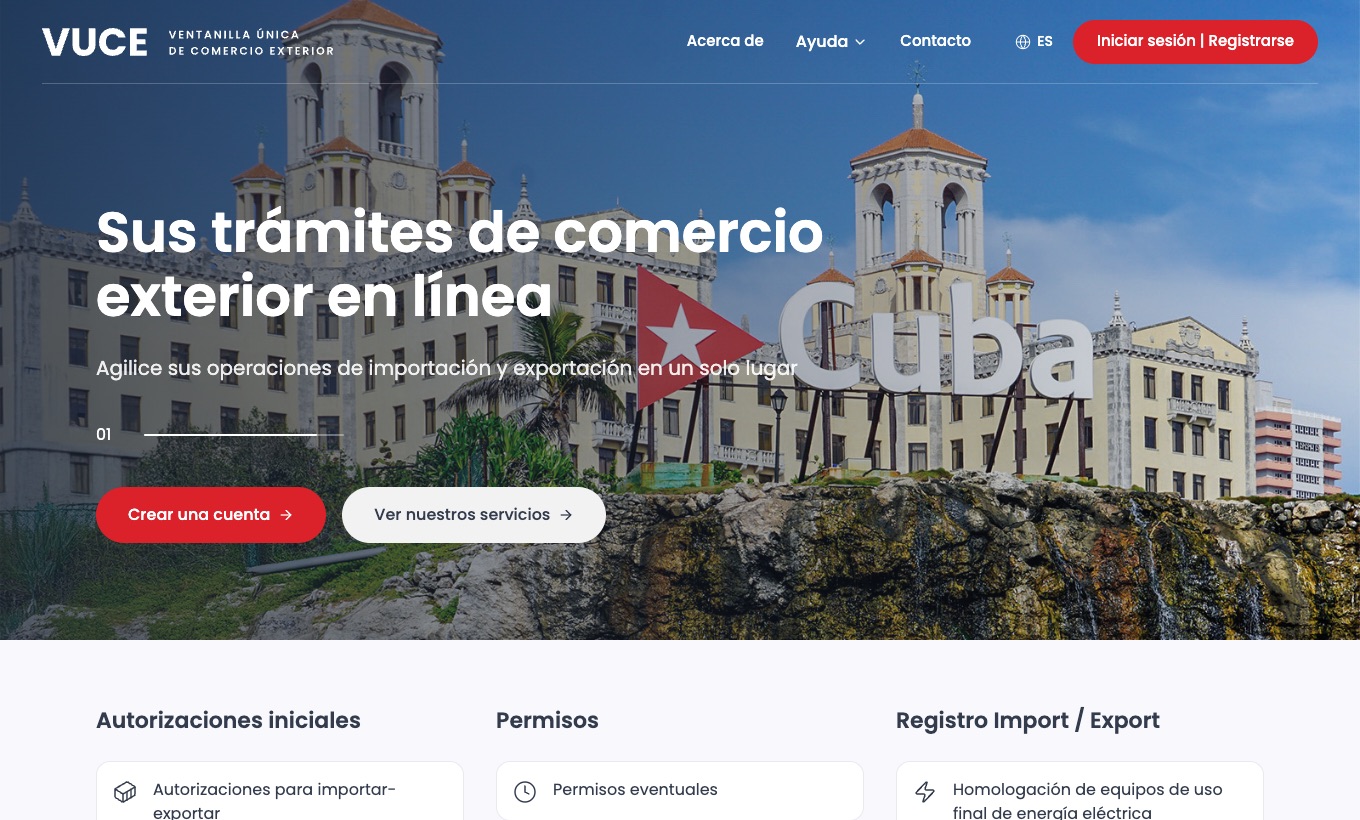
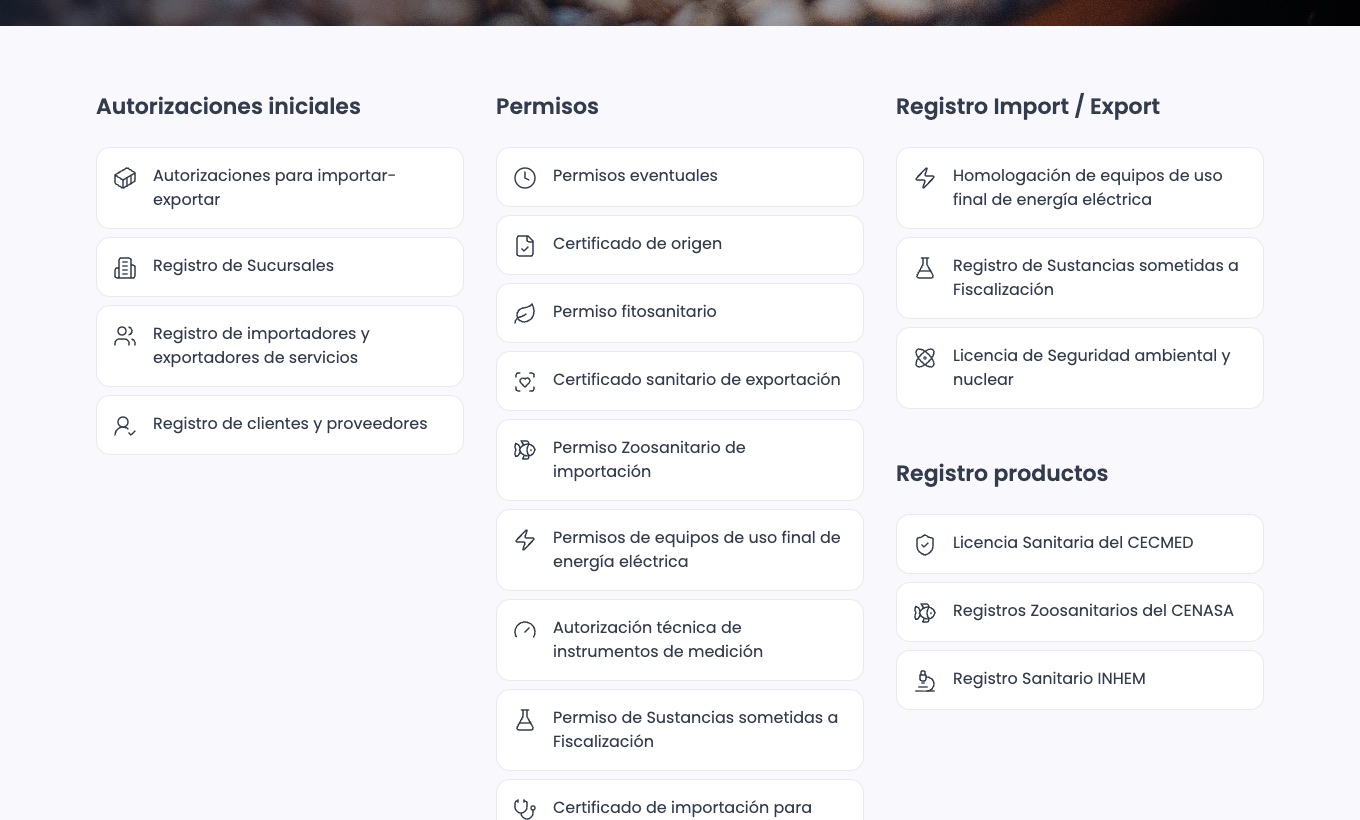
Source: cuba.eregistrations.dev (in development).
An investor applies online
In June 2026, the Jamaica Special Economic Zone Authority launched an online platform for its zones, with UNCTAD support. The investor sees one entry point, every zone on a map, one online process, and a certificate that anyone can verify.
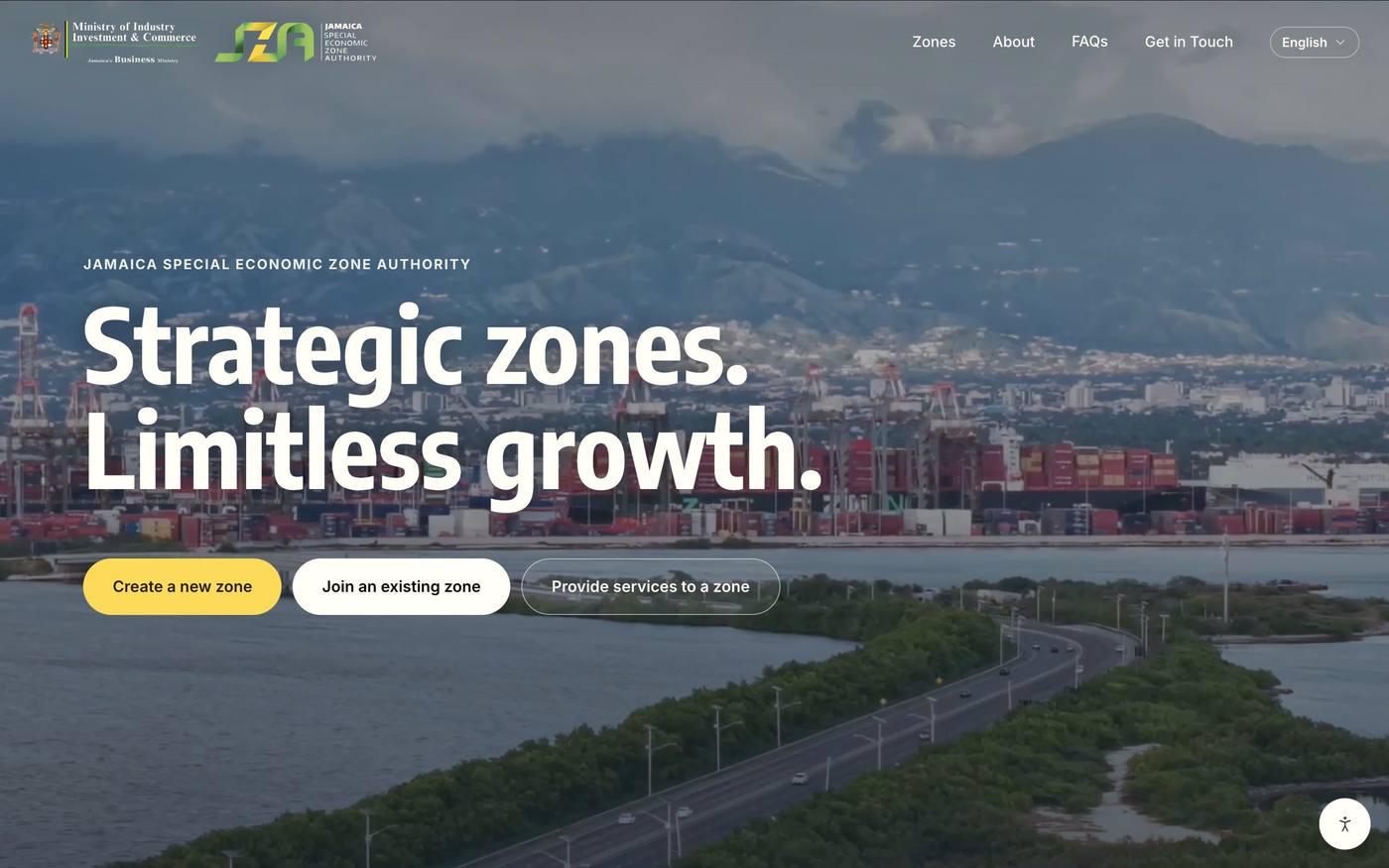
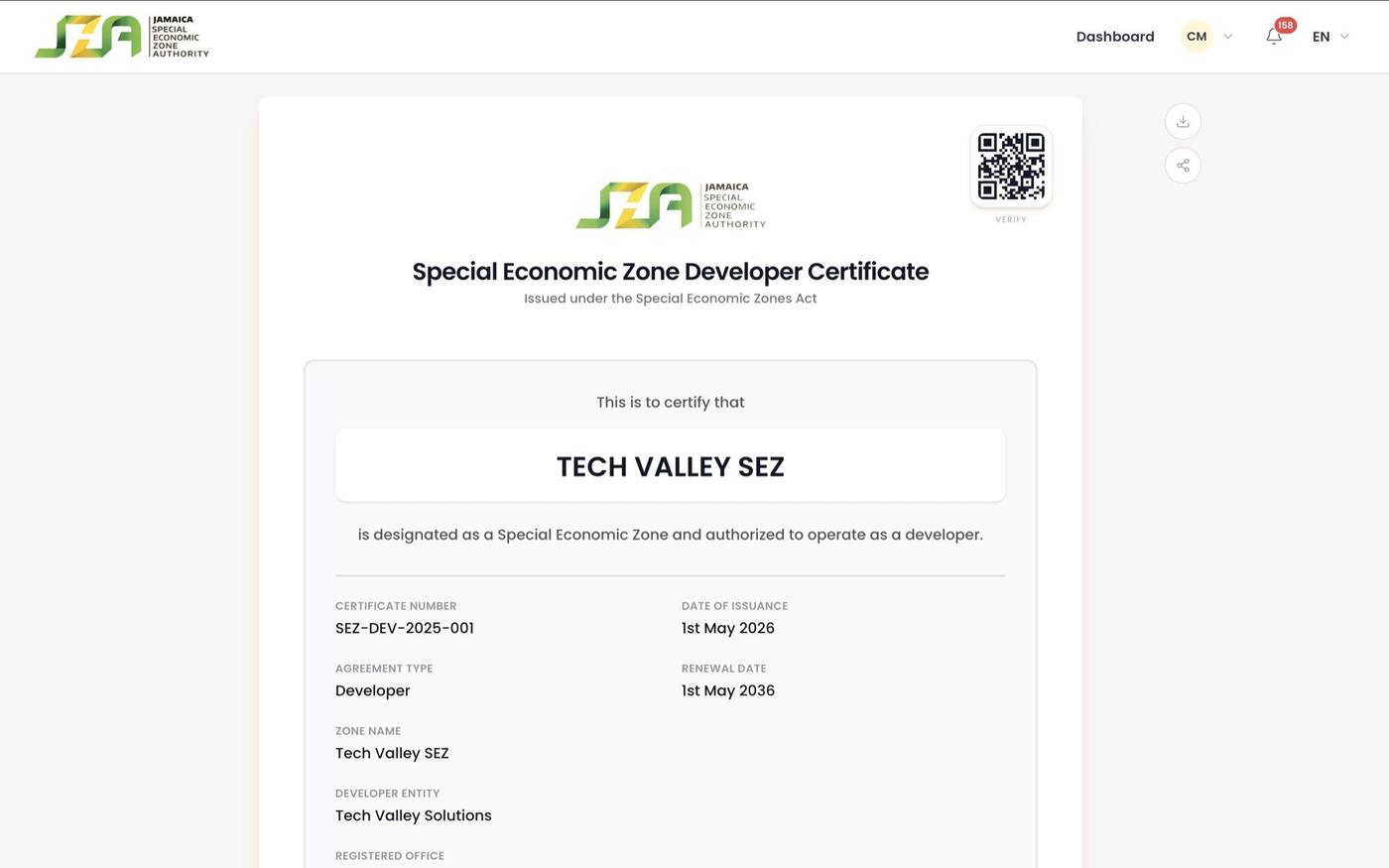
Source: jseza.eregistrations.dev.
4 Information exchange
A certificate that travels by itself
ePhyto is the online phytosanitary certificate. The exporter applies online. The plant protection office inspects and signs. The certificate goes to the importing country through the IPPC ePhyto Hub. Nobody carries paper.
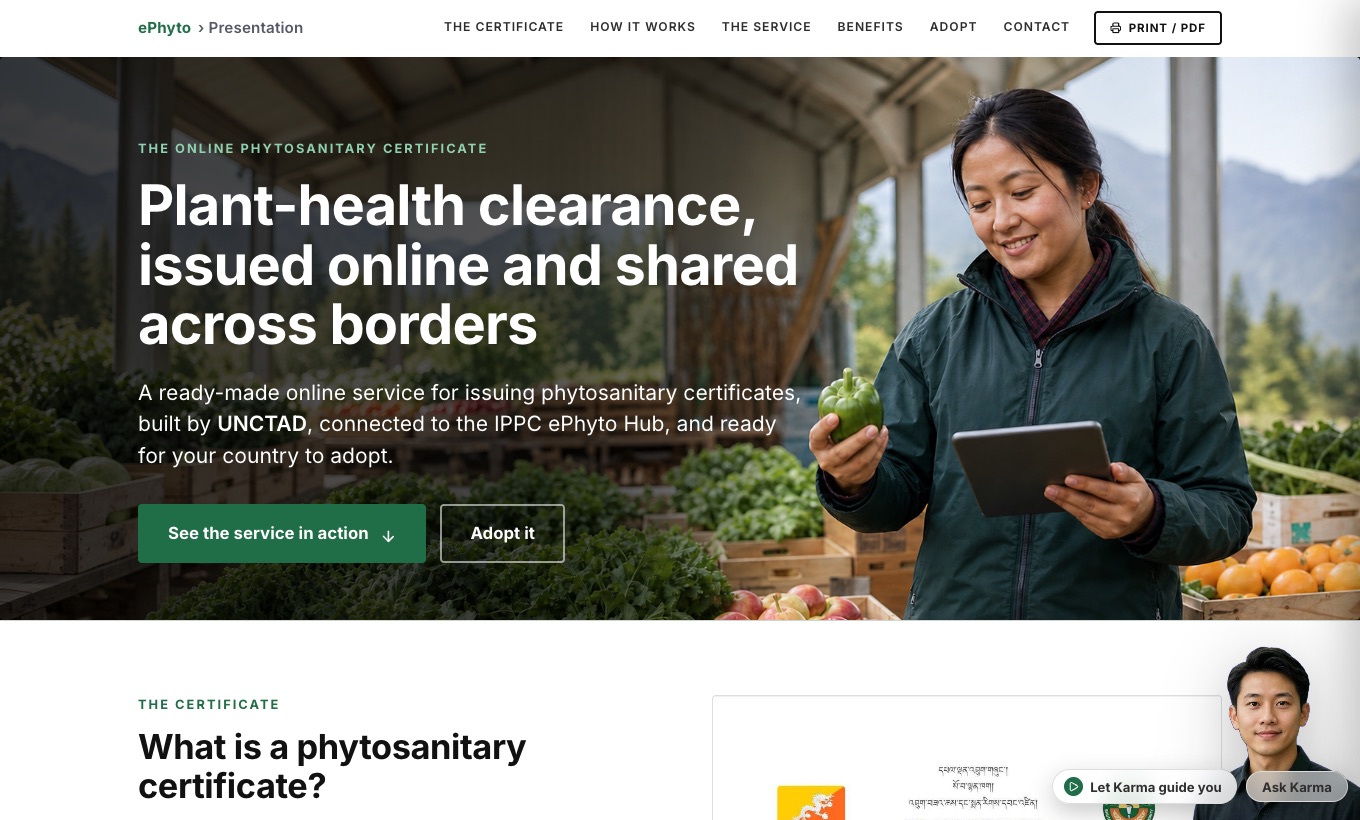
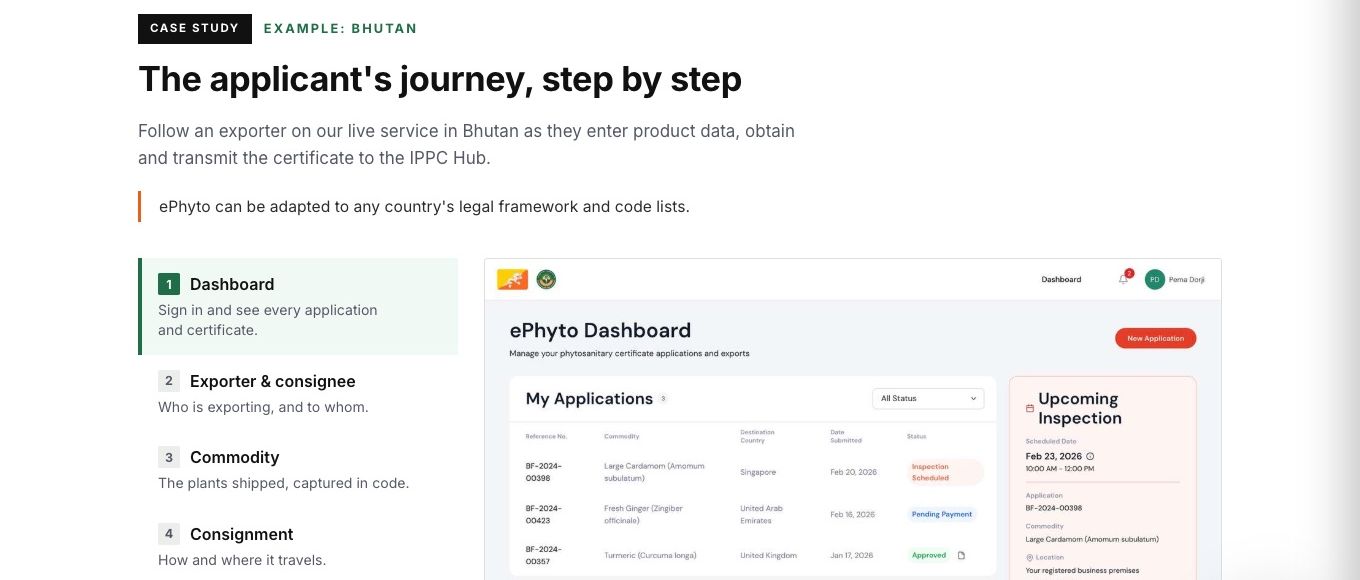
Sources: ephyto.eregistrations.dev and the Bhutan service. Also see the certificate of origin and the Central Data Register, which lets agencies use the same data model.
5 Trade intelligence
Data that the procedures produce
Each online application records who applied, when, at which step it is and how long each office took. The same records feed public views, such as the map of every approved zone, and internal dashboards: requests per month, processing times and the steps where requests stop.
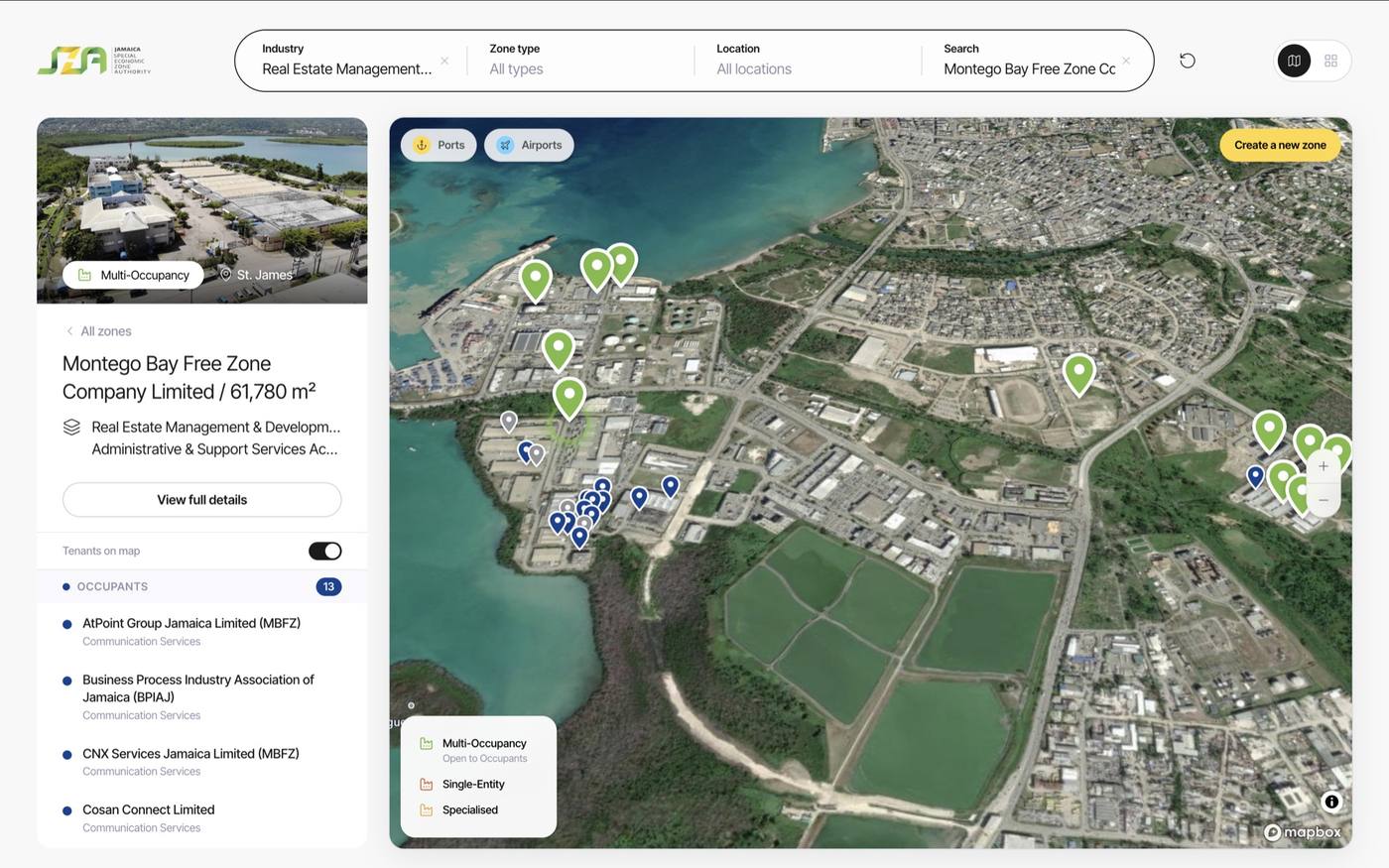
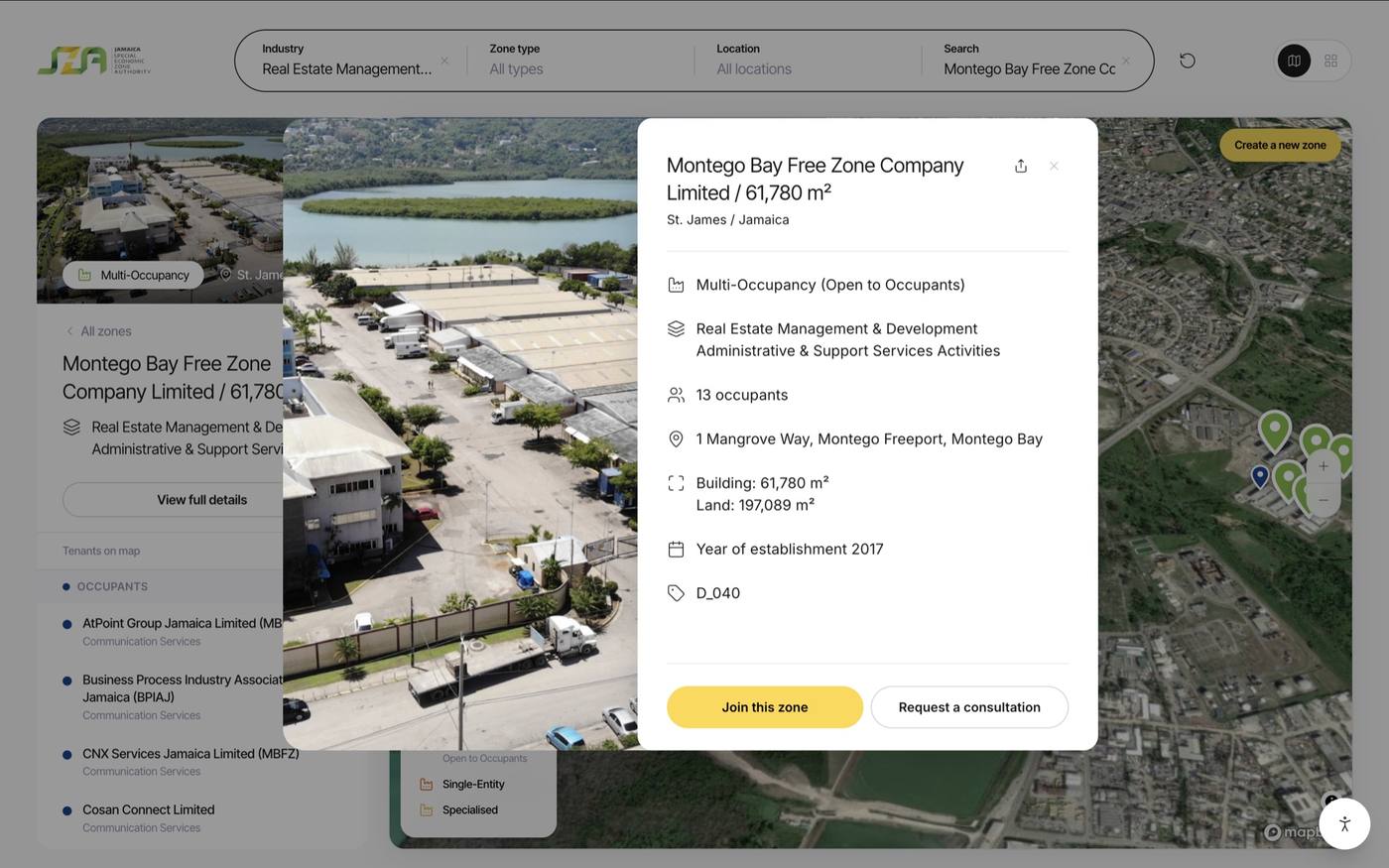
Source: jseza.eregistrations.dev. Internal dashboards are shown only to the government that owns the data.